A Lemon Is Never Just a Lemon
A little study in art, poetry, food, fragrance & folklore.
We’re celebrating the many forms this humble little fruit has taken across centuries of human life.
Small enough to rest in the curve of an open palm, the lemon is an object of quiet ubiquity. We slice it unthinkingly over sinks, leave its dried crescents on cutting boards, and toss its rind into the bin. Yet, look closely at the trail it has left through centuries of human life, and it reveals itself as something far more deliberate: an artist’s vibrating light, a poet’s tiny sun, a cook’s silent alchemy, a perfumer’s spark of morning, and an everyday guardian pinned to doorsteps.
A little luxury on canvas
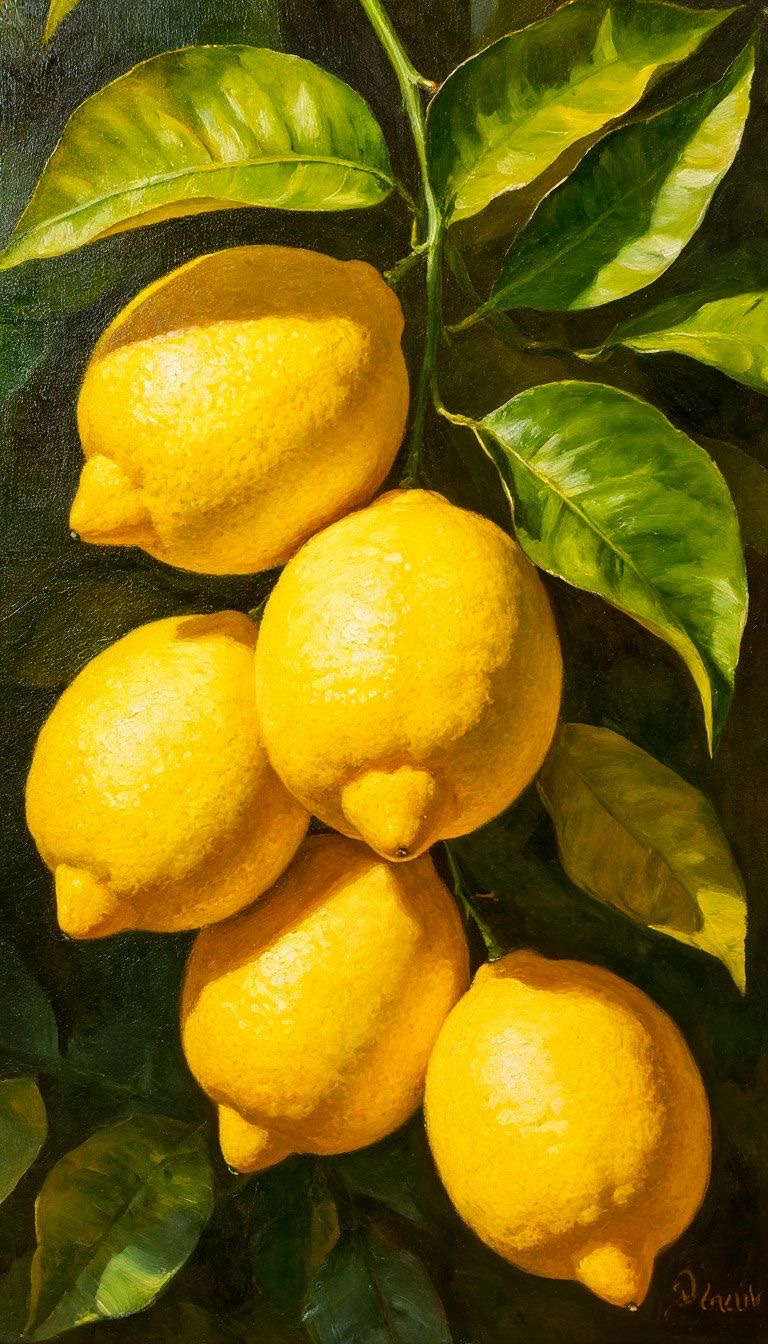
Across centuries of European painting, the lemon was a quiet exhibition of virtuosity.
In Dutch Golden Age pronkstilleven (ostentatious still lifes) by masters like Pieter Claesz and Willem Kalf, a lemon was almost always depicted half-peeled, its yellow rind curling down in an unbroken spiral from pewter or silver ledges.
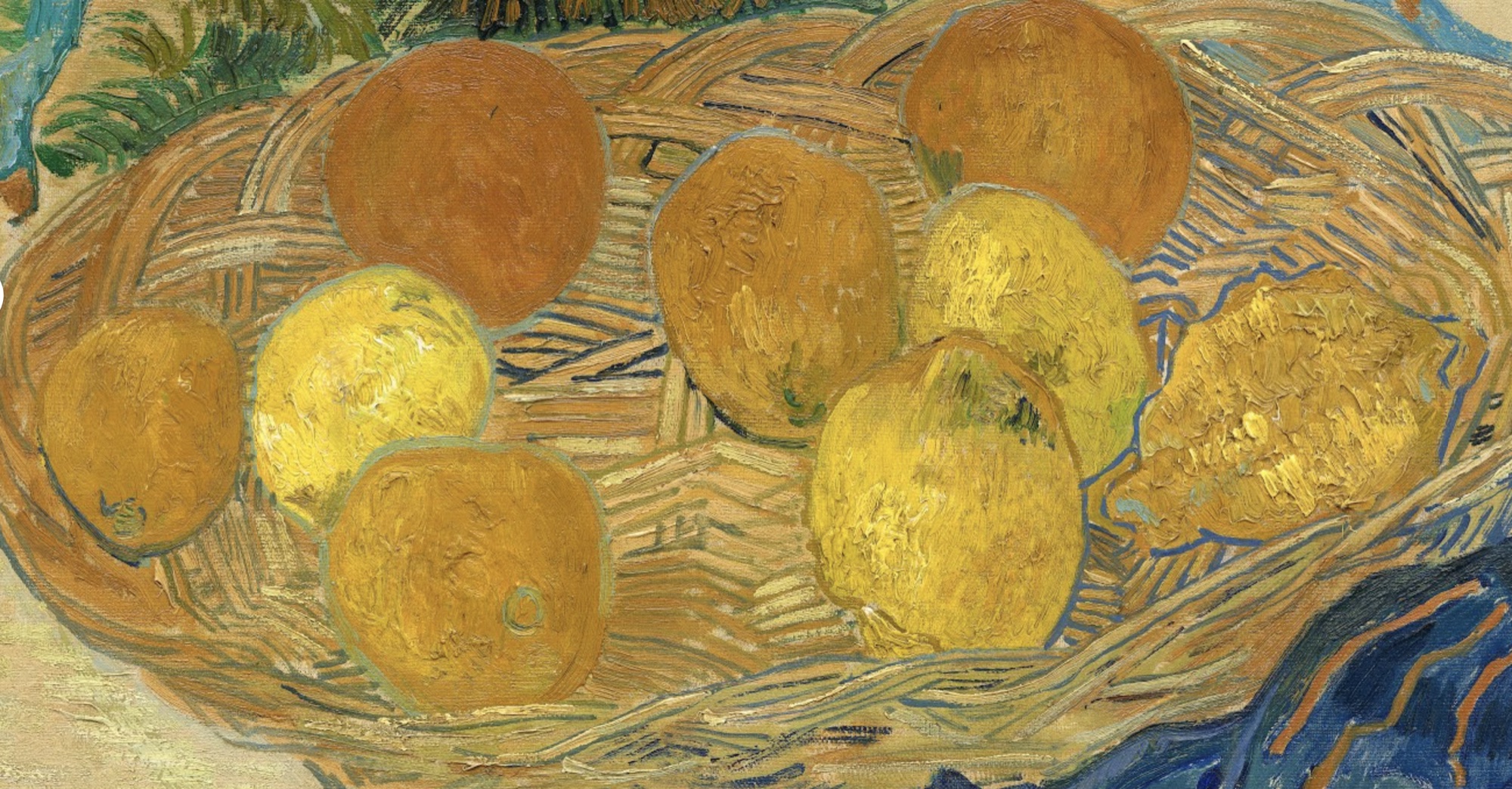
This curling peel was the painter’s ultimate technical flex: capturing the coarse, dimpled exterior of the skin, the spongy white pith beneath, and the translucent, wet glint of the pulp catching window light. Centuries later, artists stripped away the aristocratic tableware but kept the fruit—from Édouard Manet’s solitary, grounded lemon resting in simple Parisian light to Vincent van Gogh’s rapid, electric brushwork—turning a kitchen staple into an enduring canvas obsession.
A fruit worthy of poetry
In literature, the lemon has long been celebrated as an earthly marvel. Pablo Neruda dedicated an entire ode to it, marvelling at how out of lemon flowers the earth creates a miniature universe, a “yellow cathedral” and a cup of pure gold bursting through dark green boughs. Michelle Courtney Berry, too, found poetry in its sharp presence, exploring how its tartness, scent, and vibrant skin anchor human memory and awaken the senses to the sweetness tucked inside life’s sharper edges.
My own hands twist the golden orbs, over and over marveling at their scented beauty.
Michelle Courtney Berry, from Ode to Lemons
A little alchemy in the kitchen
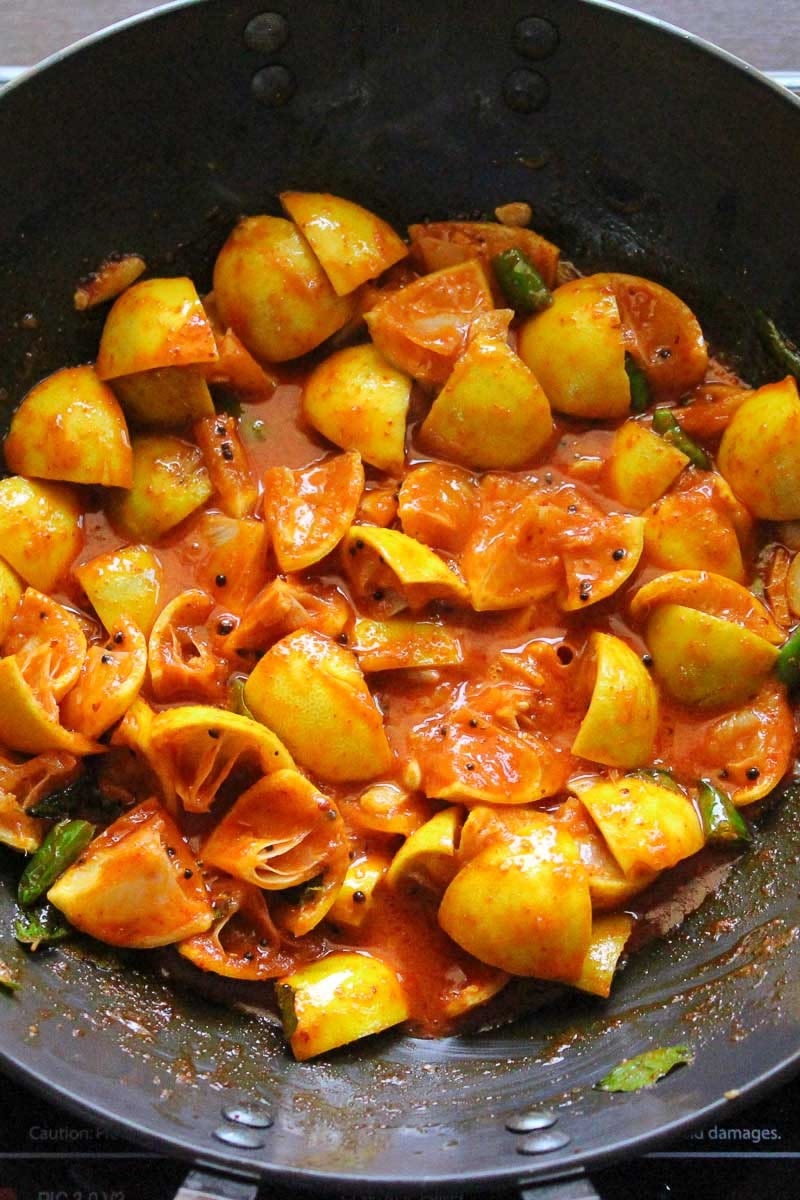
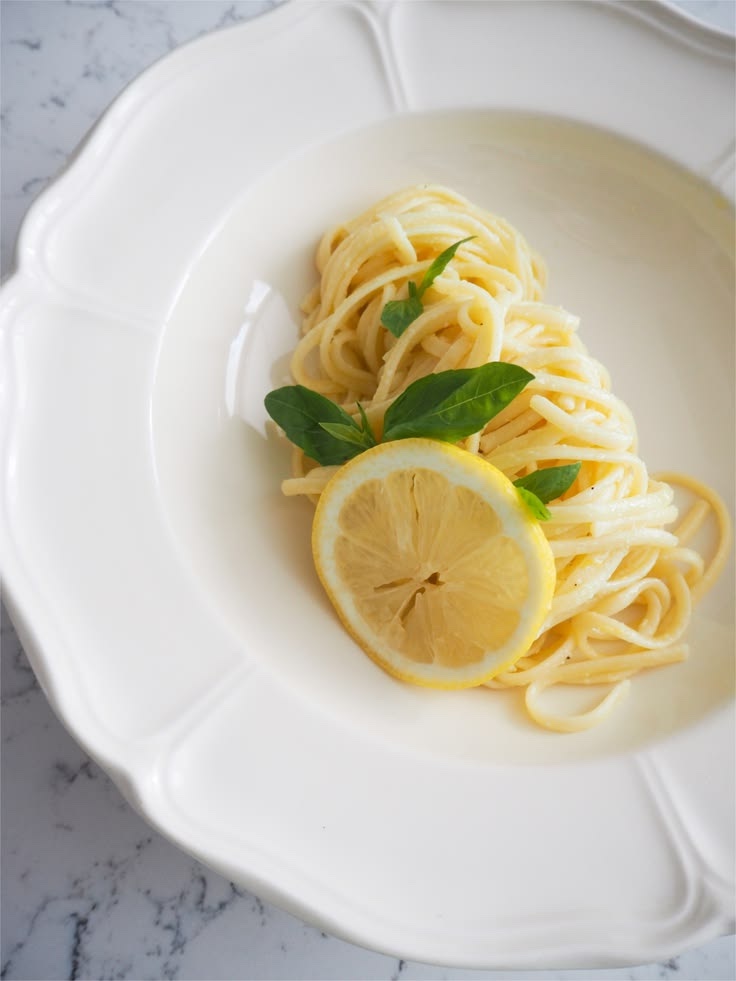
In the kitchen, the lemon is a catalyst. A single cold squeeze works like invisible magic across the palate. It dissolves heavy fats, softens searing spice, wakes up dormant salts, and lifts flavours you didn’t know were trapped beneath the surface. It does not demand the centre of the plate for itself; instead, its sour bite exists to coax every other element into tasting more vividly like itself.
A Little Zest in Air
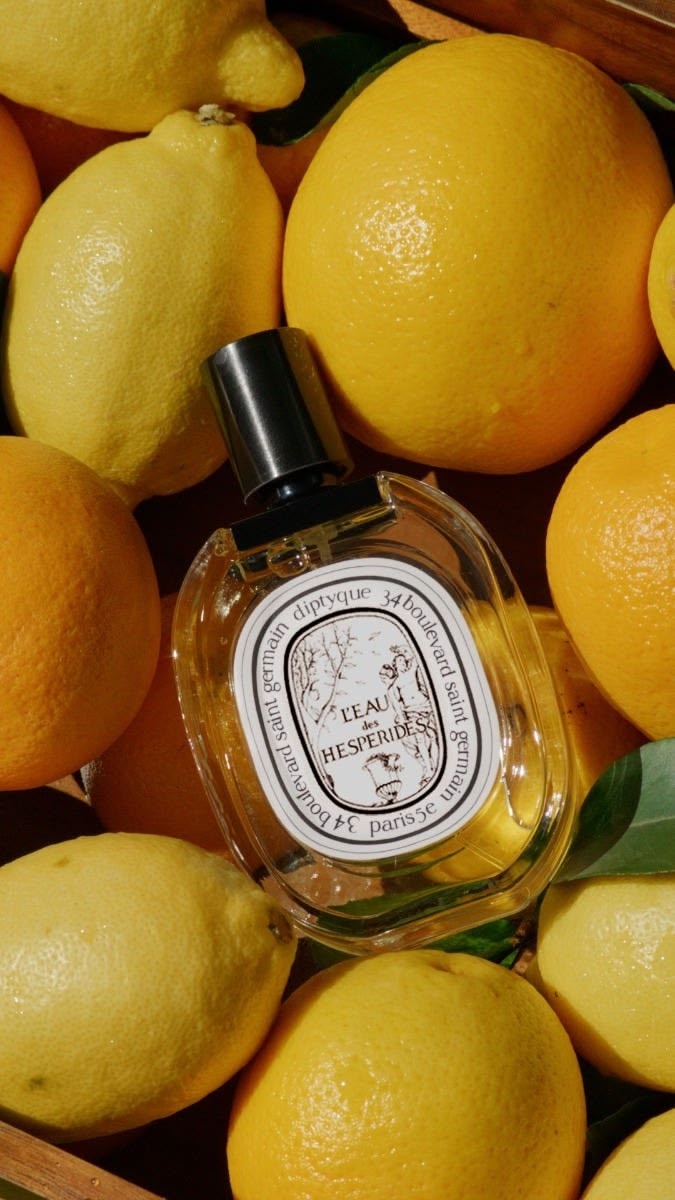
Pinch a fresh rind, and you immediately release an aerosol of cold-pressed oil: sharp and clean. In the architecture of perfumery, lemon is the quintessential top note. It is bottled daylight, engineered by nature to announce itself first. It cuts through stagnant air with crisp effervescence, jolting the nervous system awake before quietly fading to let warmer woods and deeper resins take the floor.
The Sour Guardian
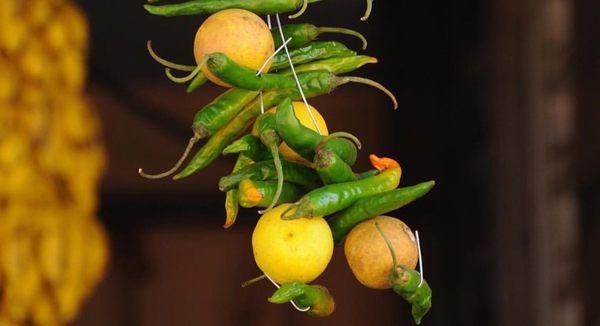
Cross into the streets of India, and the fruit leaves the culinary world entirely to take up guard duty. Strung on coarse thread alongside seven green chillies—the nimbu-mirchi—it hangs from shop lintels, house thresholds, and truck bumpers. Steeped in folklore, its sourness and heat are believed to satisfy Alakshmi, the goddess of misfortune, absorbing envy and bitterness before they can cross the threshold. Here, the kitchen staple becomes an ancient amulet: citrus as protection.