The Many Lives of Vermilion
One Colour, Centuries of Meaning.

Few colours carry the physical weight and psychic charge of vermilion. Neither purely scarlet nor orange, it is an incandescent, blood-warm red that refuses to recede into a background. Across continents and millennia, human hands have dug into the dark belly of the earth to unearth it, risking madness and toxicity to paint what words could not reach: the exact line where mortality brushes against the divine.
1. The Material: Dug from Poison and Stone
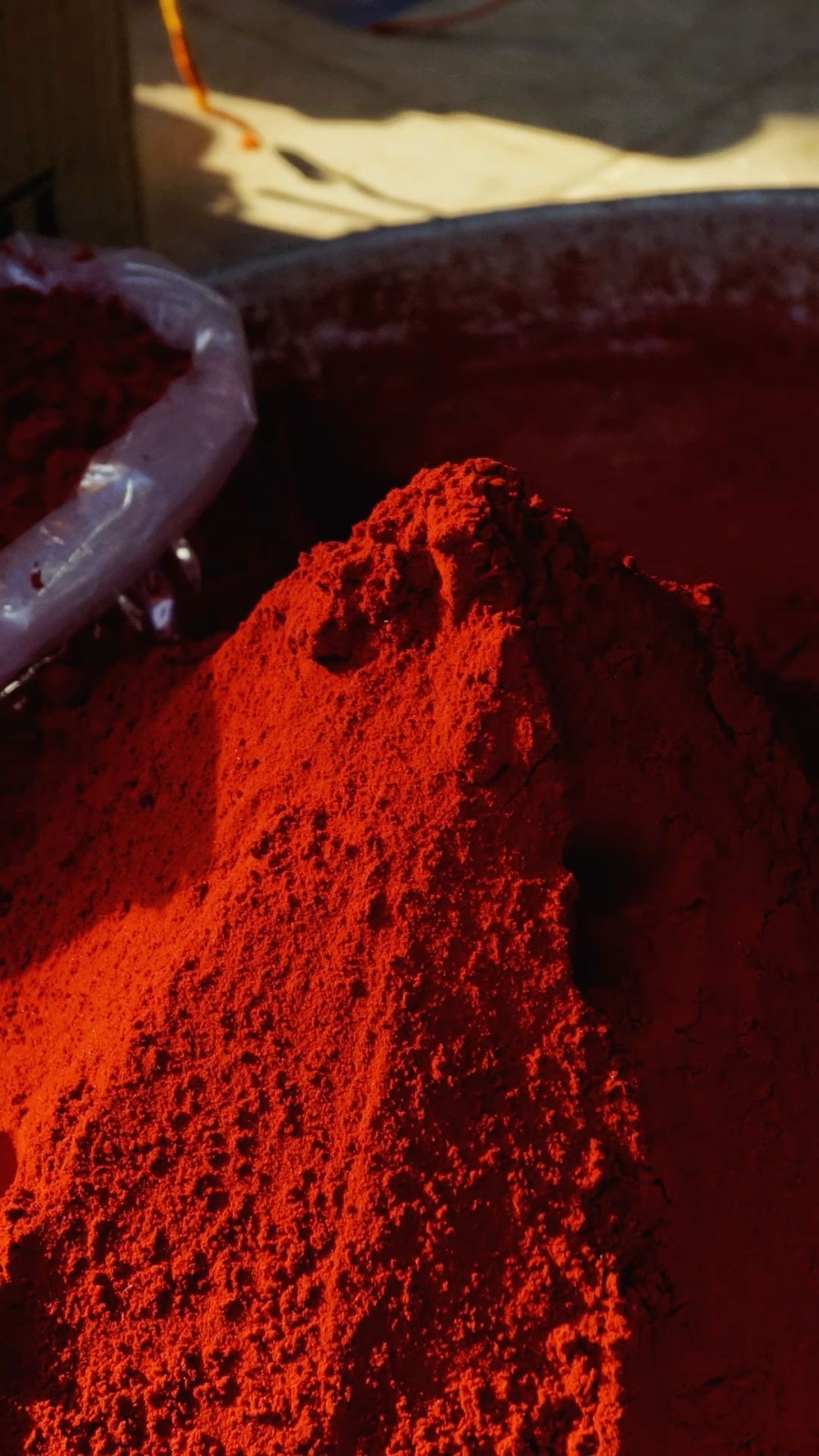
Before it was an artist’s tube, vermilion was cinnabar, mercuric sulphide mined from deep veins in the rock. For two millennia, it remained a lethal paradox: brilliantly luminous, yet deeply toxic. Mined through poisonous vapours, then crushed and heated in sealed crucibles, it was a pigment born of fire and sacrifice long before it ever touched a surface.
2. Japan: The Sacred Threshold
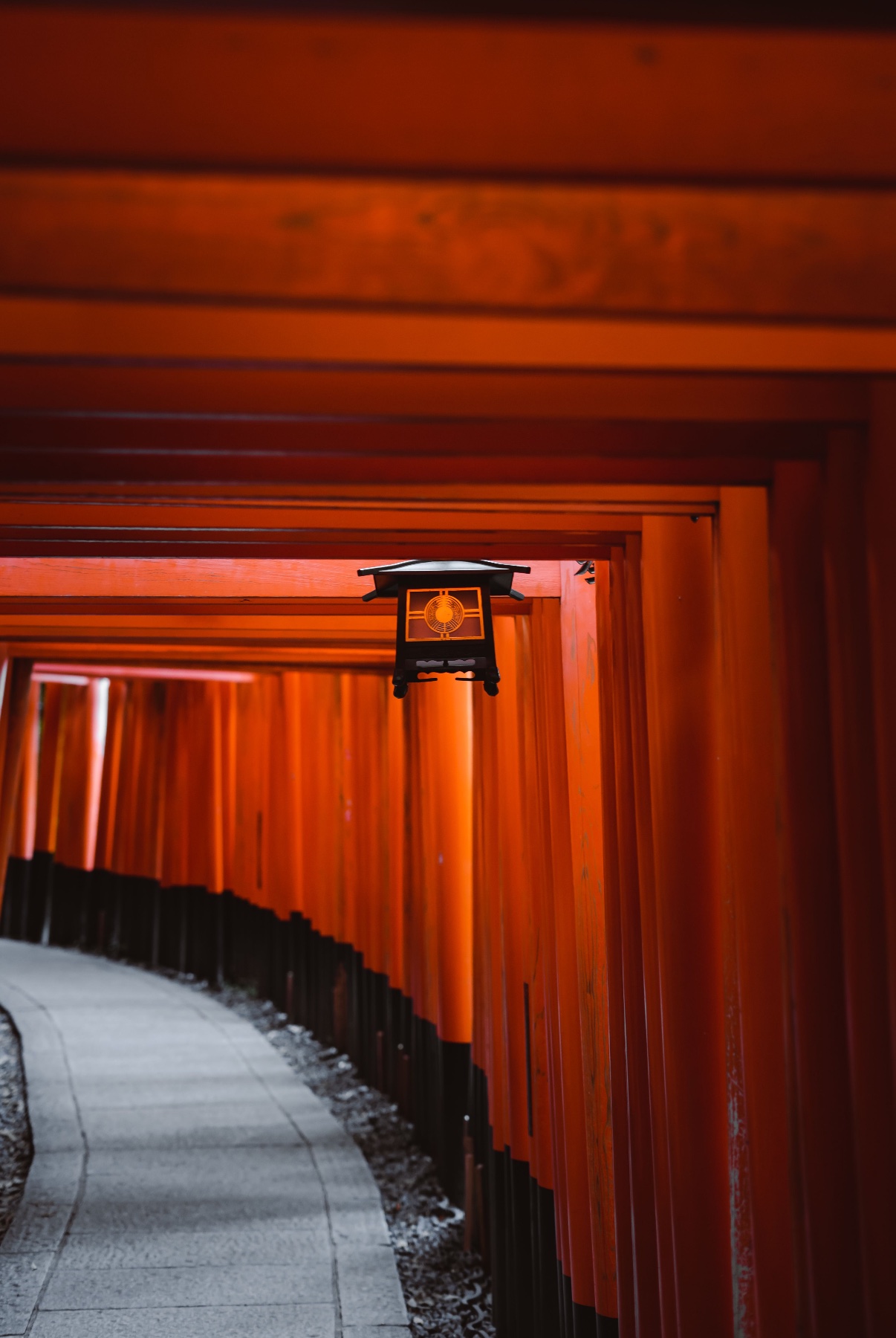
Step onto the winding paths of Kyoto’s Fushimi Inari-taisha, and the world turns electric orange-red. Thousands of wooden torii gates snake up the mountain, their timbers drenched in vermilion (shuiro). Here, the pigment marks the physical border where the mundane world ends and the realm of the kami (spirits) begins. Derived from mineral cinnabar, its natural properties resisted wood rot, while in Shinto thought, its radiant heat acted as an impenetrable ward against misfortune and wandering malevolence.
3. China: The Elixir of Eternity
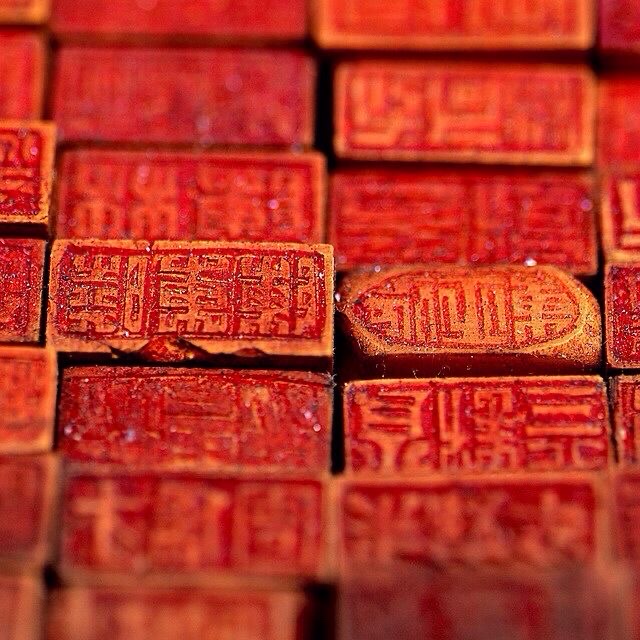
During the Han dynasty and the dynasties that followed, powdered cinnabar entered the imperial courts as the ultimate symbol of life force and permanence. Carved lacquerware—layered dozens of times with sap and cinnabar dust—gleamed with an indestructible, smooth warmth that survived centuries buried in tombs. In Taoist alchemy, this same crimson ore was considered the earthly vessel of life itself, ground into elixirs of immortality. To surround oneself with vermilion was to hold decay at bay.
4. Venice: Titian’s Luxurious Red
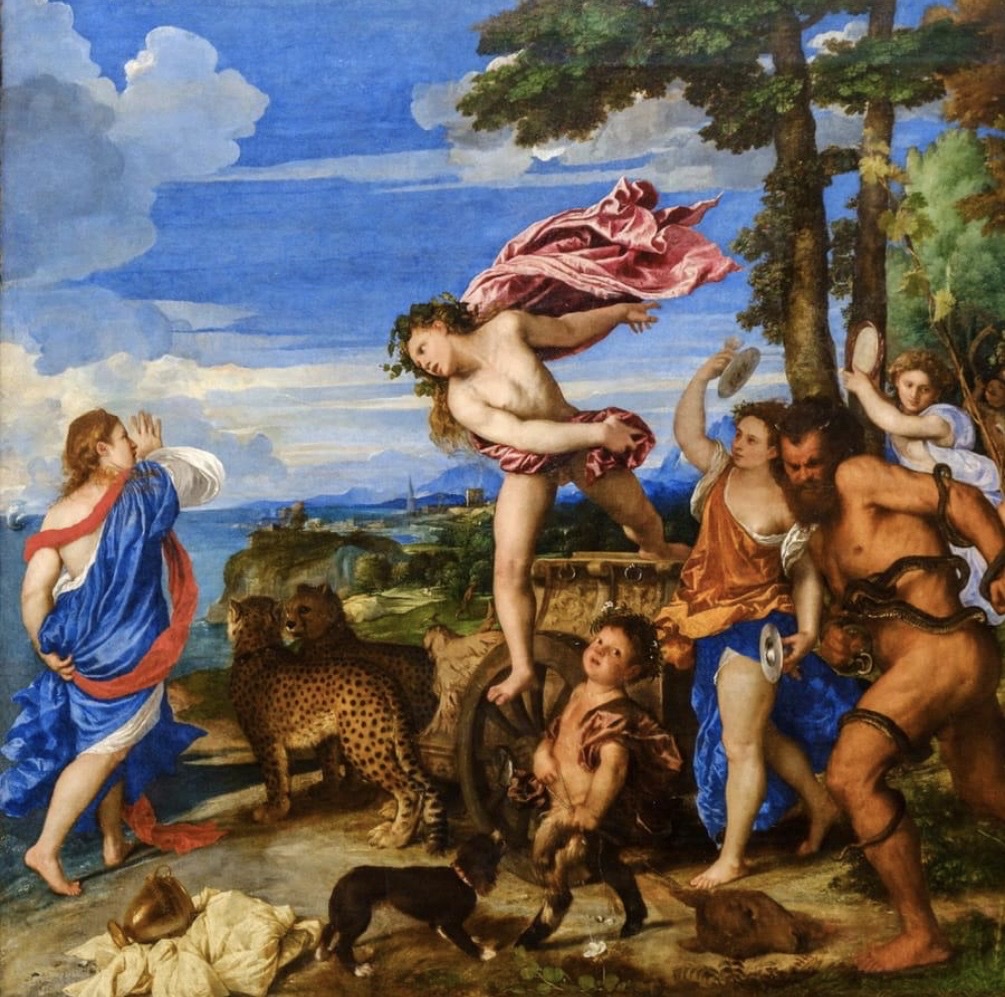
By the height of the Italian Renaissance, Venice sat at the crossroads of global maritime trade, making its markets the epicentre for the world’s most coveted art materials. Titian became the undisputed master of this chromatic wealth, prominently showcased in his masterpiece Bacchus and Ariadne (1522–1523). He paired the most expensive blue on earth—natural ultramarine, ground from lapis lazuli—against the blazing intensity of imported vermilion. From the red sash fluttering across Ariadne to the dramatic accents woven through Bacchus’s revelry, Titian’s vermilion was pure theatrical luxury: a radiant, costly pigment reserved for classical myth, aristocrats, and immortal gods.
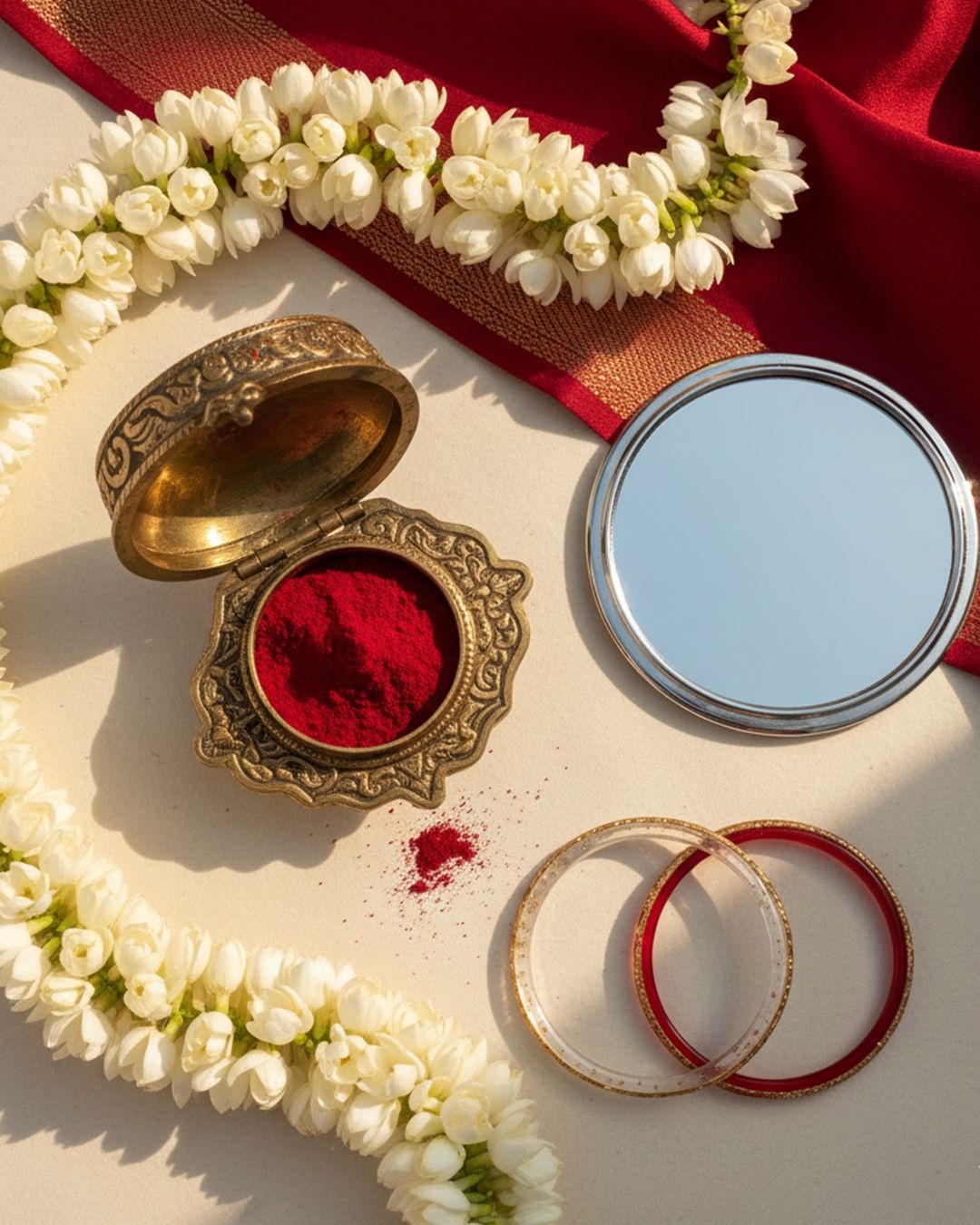
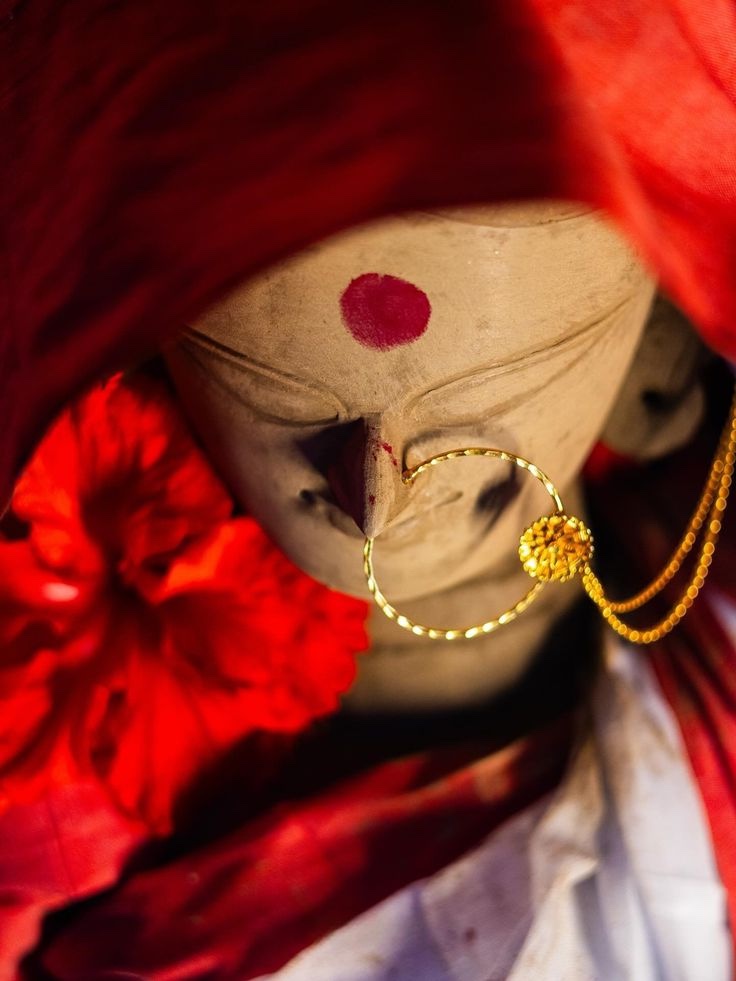
5. India: The Mark of Shakti
In India, the pigment makes its most intimate and enduring journey: it returns directly to the living human body as sindoor. Worn along the parting of the hair or pressed onto the brow, it is commonly understood through love and marital bond, but its true roots lie much deeper. It is the visual shorthand for Shakti—raw, primordial feminine energy, devotion, and cosmic fire. The very mineral once dug from poisonous stone now sits softly upon skin: an everyday consecration, bridging the ancient alchemist’s furnace with the mirror of a quiet morning.